The secondhand mattress market is a topic that generates genuine confusion among consumers, resellers, thrift store operators, and small business owners across the United States. Whether you are considering selling a mattress at a garage sale, listing one on Craigslist, or operating a secondhand furniture business, understanding the legal framework governing used mattress sales is essential. The short answer is that selling a used mattress is not automatically illegal everywhere, but it is heavily regulated in most states through public health and bedding laws that impose significant requirements on anyone who sells or resells sleep products.
The Public Health Rationale for Mattress Regulations
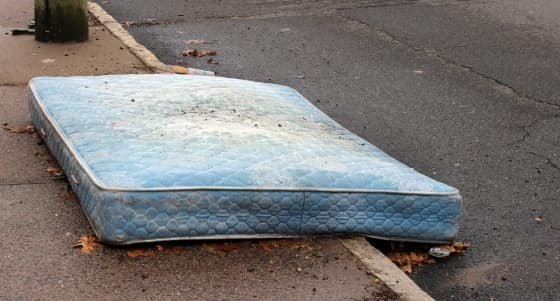
The legal framework governing used mattress sales is rooted in public health considerations rather than consumer protection principles in the traditional commercial sense. Mattresses can harbor a range of biological contaminants including dust mites, bed bugs, mold, mildew, bodily fluids, and other pathogens that present genuine health risks to subsequent users. State and local health authorities have recognized these risks and have enacted bedding laws — often called sanitary codes or bedding regulations — that impose requirements on mattress manufacturers, retailers, and resellers designed to protect consumers from contaminated sleep products.
These regulations are among the oldest consumer health protections in American law, dating back to the early twentieth century when sanitary reform movements pushed states to address the obvious public health risks of secondhand bedding being sold without disclosure or treatment.
State Regulations on Used Mattress Sales
The legal framework for used mattress sales is entirely a matter of state and local law — there is no federal statute specifically governing secondhand mattress sales. Every state has its own bedding law or sanitary code provisions addressing used mattresses, and the specific requirements vary considerably from state to state. However, several common regulatory themes apply across most jurisdictions.
The most universal requirement in state bedding laws is the tagging requirement. Most states require that used mattresses be labeled with a specific tag — often called a law tag — that clearly identifies the product as containing used or secondhand materials. These tags must typically be permanently attached and must disclose the nature of the filling or materials in the mattress. The familiar Do Not Remove Under Penalty of Law tags found on new mattresses are part of this regulatory framework, designed to ensure that the mattress’s material composition remains disclosed throughout its commercial life.
Sanitization requirements represent the second major category of used mattress regulations. Many states require that used mattresses be sanitized, sterilized, or treated through a state-approved process before being resold. These treatment processes are designed to eliminate biological contaminants and reduce the health risks associated with secondhand bedding. States including California, Texas, Florida, New York, and others have specific sanitization standards that must be met before a used mattress can be legally offered for sale to the public.
California’s mattress regulations under the California Business and Professions Code are among the most detailed in the country. California requires that used mattresses be renovated, sanitized, and labeled in accordance with specific state standards before resale. The California Bureau of Household Goods and Services licenses mattress renovators and enforces the state’s bedding regulations, and operating a used mattress resale business without appropriate compliance can result in civil fines and license revocation.
The Distinction Between Commercial Resale and Private Sales
An important legal distinction in the used mattress context is between commercial resale — selling a used mattress as a business activity — and private individual sales between private parties. The regulatory requirements that impose sanitization, labeling, and licensing requirements on used mattress sellers are primarily directed at commercial operations — used furniture stores, thrift stores, consignment shops, mattress renovators, and other businesses that resell mattresses as a commercial activity.
Private individual sales — a homeowner selling their own used mattress at a garage sale, through a classified advertisement, or through an online marketplace — occupy a different legal space in most states. While the general prohibition on selling contaminated or unsafe products applies to everyone, the specific licensing and sanitization requirements of state bedding laws are typically directed at commercial sellers rather than private individuals making occasional sales of their own household goods. However, this distinction varies by state, and some states’ bedding regulations are written broadly enough to apply to all sales regardless of the commercial or private nature of the transaction.
Sellers in any context should disclose the used nature of the mattress, not misrepresent its condition, and ensure that it is free from infestation by bed bugs or other verifiable contamination issues that would create liability under consumer protection and product liability principles.
Bed Bug Liability and Disclosure Obligations
The issue of bed bug infestation adds a particularly significant legal dimension to used mattress sales. Bed bugs have become one of the most significant pest problems in American residential settings, and mattresses are among the primary vectors through which infestations spread from one dwelling to another. Knowingly selling a mattress infested with bed bugs creates substantial legal liability for the seller under consumer protection fraud statutes, product liability law, and potentially under specific state pest control and housing regulations.
Several states have enacted specific bed bug disclosure requirements for landlords, and courts have awarded significant damages in cases where sellers of used furniture including mattresses knowingly transferred bed bug infestations to unsuspecting buyers. A seller who knows their mattress is infested and sells it without disclosure has committed actionable fraud regardless of whether the specific transaction falls within the commercial regulations of state bedding law.
Online Marketplaces and Used Mattress Sales
Major online platforms including Facebook Marketplace, Craigslist, and others regularly host listings for used mattresses, and these sales occur in a legal grey zone where platform policies, state bedding regulations, and practical enforcement create a complex picture. Most major online marketplaces prohibit the sale of used mattresses in their terms of service based on health concerns, even though state law may permit properly sanitized and labeled resales under certain conditions.
The Bottom Line on Selling a Used Mattress
Selling a used mattress is not automatically illegal but is heavily regulated by state bedding and sanitary codes that impose labeling, sanitization, and licensing requirements on commercial sellers. Private individual sales are subject to less stringent specific regulation but remain subject to general consumer protection and fraud law obligations including disclosure of material defects. Knowingly selling a mattress with bed bug infestation creates serious civil liability. Anyone operating a commercial used mattress business must familiarize themselves with their specific state’s bedding law requirements before engaging in sales activity.