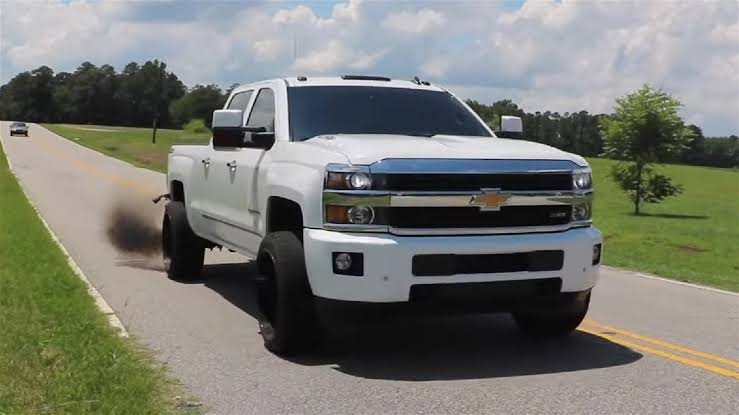
The term diesel delete refers to the process of removing or bypassing the emissions control systems installed on diesel-powered vehicles, most commonly the diesel particulate filter, the exhaust gas recirculation system, and the selective catalytic reduction system that uses diesel exhaust fluid. These systems were mandated by the Environmental Protection Agency as part of comprehensive emissions reduction standards designed to limit the harmful pollutants that diesel engines emit into the atmosphere. The practice of removing or defeating these systems has become increasingly common among diesel truck owners who believe the modifications improve performance, fuel economy, and engine longevity. The legal reality, however, is that diesel deletes are among the most seriously regulated vehicle modifications in the United States, and the consequences of performing or installing them can be devastating for individuals and businesses alike.
The Clean Air Act: The Foundation of Federal Diesel Emissions Law
The legal framework governing diesel emissions equipment is rooted in the Clean Air Act of 1970 and its subsequent amendments, which established the EPA’s authority to regulate air pollution from mobile sources including motor vehicles. The Clean Air Act’s anti-tampering provisions — specifically Section 203(a) — make it unlawful for any person to remove or render inoperative any device or element of design installed on a motor vehicle in compliance with federal emissions regulations.
This provision applies to the emissions control systems that manufacturers install on diesel trucks to comply with EPA standards. The diesel particulate filter removes particulate matter from exhaust gases. The exhaust gas recirculation system reduces nitrogen oxide emissions by recirculating a portion of exhaust gases back into the engine. The selective catalytic reduction system uses diesel exhaust fluid to convert harmful nitrogen oxides into harmless nitrogen and water. Each of these systems is required by federal emissions standards, and removing or disabling any of them violates the Clean Air Act’s anti-tampering provisions.
EPA Enforcement and Civil Penalties
The EPA’s enforcement of diesel emissions tampering violations has become dramatically more aggressive in recent years following Operation Clean Air, a coordinated enforcement initiative targeting manufacturers, sellers, and installers of defeat devices. The EPA has pursued enforcement actions against major tune shops, parts suppliers, and aftermarket equipment companies that manufacture and sell diesel delete kits, emissions defeat devices, and ECU tuning software that bypasses emissions controls.
Civil penalties under the Clean Air Act for emissions tampering violations can reach $44,539 per day per violation for mobile source provisions. For businesses that manufacture or sell defeat devices, each unit sold can constitute a separate violation, meaning that a company that has sold thousands of defeat devices faces potential aggregate civil penalties in the hundreds of millions of dollars. The EPA has secured some of the largest environmental penalties in American history against diesel defeat device companies in recent years, with settlements reaching into the billions of dollars in major cases.
For individual truck owners who modify their own vehicles or have modifications performed at shops, the civil penalty exposure is lower but still significant. Individual owners who delete emissions systems on their personal trucks can face civil penalties of thousands of dollars per violation, and those who sell or transfer vehicles with deleted emissions systems to other parties compound their legal exposure with each transaction.
Criminal Prosecution for Emissions Tampering
Beyond civil penalties, the most serious violations of the Clean Air Act’s anti-tampering provisions can result in criminal prosecution. The Clean Air Act provides for criminal penalties including fines and imprisonment for knowing violations of its provisions. The Department of Justice has pursued criminal charges against operators of emissions delete businesses who knowingly manufactured, sold, and installed defeat devices at commercial scale.
Criminal convictions under Clean Air Act emissions provisions can result in imprisonment of up to two years per count for knowing violations and up to five years for knowing endangerment violations that create serious risk of injury. Multiple counts based on multiple transactions can result in substantial aggregate sentences. The criminal enforcement trajectory in this area is clearly moving toward more aggressive prosecution, and the combination of EPA civil enforcement and DOJ criminal referrals creates serious legal risk for anyone operating in the diesel delete market commercially.
State Emissions Inspection Programs
Beyond federal EPA enforcement, diesel delete owners face state-level legal exposure through emissions inspection programs. States including California, New York, Texas, Colorado, and most other states with significant diesel truck populations require periodic emissions testing as a condition of vehicle registration renewal. A diesel truck with deleted emissions systems will fail this testing, preventing the owner from legally registering and operating the vehicle on public roads.
California’s emissions enforcement is particularly aggressive, operating through the California Air Resources Board with its own enforcement authority and penalty structure that operates alongside and independently of federal EPA enforcement. CARB has pursued enforcement actions against emissions tampering violations with significant civil and criminal penalties, and California residents who delete diesel trucks face the combined enforcement potential of both federal and state authorities.
Insurance and Liability Implications
Diesel delete modifications create additional legal complications beyond regulatory enforcement. Insurance companies typically exclude coverage for vehicles modified in ways that violate federal regulations, and a truck with deleted emissions systems may be uninsurable or may have accident claims denied on the grounds of illegal modification. In accident litigation, the presence of illegal emissions modifications on a vehicle can be used as evidence of the owner’s general disregard for legal compliance with safety and environmental regulations, potentially affecting negligence and liability determinations.
The Bottom Line on Deleting a Diesel Truck
Deleting a diesel truck is unambiguously illegal under the Clean Air Act’s anti-tampering provisions and is actively enforced by the EPA with civil penalties reaching tens of thousands of dollars per violation and criminal penalties including imprisonment for knowing violations. State emissions inspection programs create additional legal barriers to operating deleted trucks on public roads. The enforcement landscape has become dramatically more aggressive in recent years following major EPA enforcement campaigns targeting the diesel delete industry. Diesel truck owners who have already deleted their vehicles should consult an environmental attorney about their specific situation, and those considering a delete should understand that the legal risks far outweigh any perceived performance benefits.