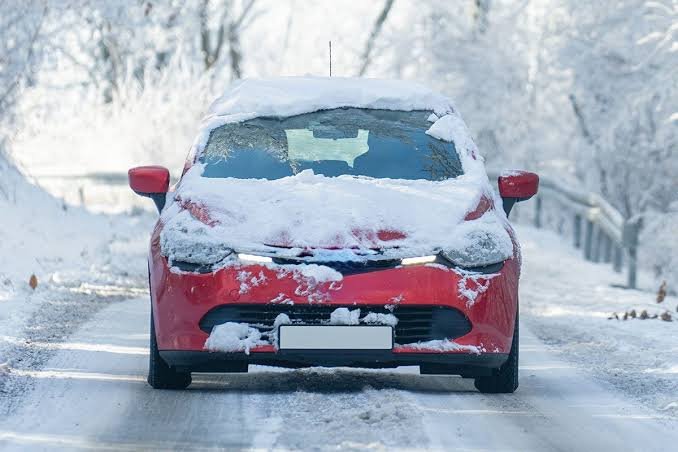
Winter driving season brings a familiar sight to northern American roads — vehicles covered in varying degrees of snow and ice, ranging from cars with a light dusting on the hood to trucks with thick slabs of packed snow piled high on their roofs and cargo areas. The question of whether driving with snow or ice on a vehicle is illegal is one that affects millions of Americans in snow belt states every winter, and the answer varies considerably across states while reflecting a consistent underlying safety concern that has motivated an increasing number of state legislatures to act. The legal landscape for snow-covered vehicles ranges from explicit criminal penalties in some states to general safe vehicle operation standards in others, and every driver who operates in winter conditions should understand where the law stands in their jurisdiction.
The Safety Case That Drives Legislation
Before examining the specific legal provisions, understanding the safety concerns that motivate them is essential context. Snow and ice on vehicle roofs and hoods create two distinct categories of hazard that legislators have identified as warranting legal regulation.
The most dramatic hazard involves large pieces of ice or compacted snow that become projectiles when they dislodge from moving vehicles at highway speeds. A sheet of ice or a large chunk of packed snow that slides off a roof-mounted vehicle at 65 miles per hour becomes a dangerous projectile that can shatter windshields, cause drivers to swerve suddenly, and in the most extreme cases contribute to fatal accidents. Multiple documented fatalities and serious injuries across northeastern states have been directly attributed to ice and snow projectiles from vehicles, and these incidents drove the passage of specific state legislation targeting roof snow and ice.
The secondary hazard involves snow that slides from a vehicle’s hood onto the windshield during braking or deceleration, suddenly obstructing the driver’s forward visibility at a critical moment. This hazard is particular to hood-mounted snow and occurs most frequently during panic stops when momentum causes snow to shift forward onto the windshield.
States With Explicit Snow and Ice Removal Laws
Several northeastern states have enacted specific statutory provisions that explicitly require drivers to remove snow and ice from their vehicles before operating on public roads, with financial penalties for violations.
New Jersey has one of the most comprehensive and actively enforced snow removal laws in the country. New Jersey law requires drivers to remove accumulated snow or ice from their vehicles before driving on public roads. Violations carry fines of $25 to $75 for failure to clear snow and ice, and significantly enhanced penalties of $200 to $1,000 if snow or ice from the vehicle causes property damage or injury to another person. New Jersey’s law has been actively enforced and has resulted in numerous citations, and the state’s law enforcement agencies conduct targeted enforcement operations during and after winter storms.
Pennsylvania enacted its snow and ice law in 2006 following a series of accidents caused by ice projectiles from commercial vehicles. Pennsylvania law prohibits driving with snow or ice on a vehicle if the snow or ice poses a threat to others when it becomes dislodged. Fines of $200 to $1,000 apply when snow or ice flies off a vehicle and causes an accident or property damage. Connecticut law similarly requires drivers to remove ice and snow from their vehicles, with civil fines for violations. Massachusetts law addresses the hazard through provisions that make it illegal to operate a vehicle with an unsecured load that could become a hazard to other vehicles, and snow and ice are treated as unsecured loads under this framework.
States Without Specific Laws: General Safe Vehicle Operation
The majority of U.S. states do not have specific statutes explicitly requiring snow and ice removal from vehicles before driving. In these states, the legal framework applicable to snow-covered vehicles operates through general safe vehicle operation standards rather than specific snow removal requirements.
Most relevant in these states is the unsecured load law framework. Virtually every state has provisions prohibiting the operation of a vehicle with an unsecured load that could create a hazard for other drivers. Courts and law enforcement officers in states without specific snow laws have applied these unsecured load provisions to snow and ice on vehicles, treating accumulated winter precipitation as an unsecured material that can become a hazard when it dislodges at highway speeds.
Additionally, general reckless and careless driving standards can apply when a driver knowingly operates a vehicle with significant snow or ice accumulation that creates a foreseeable safety hazard. A driver who knows their vehicle has substantial roof-mounted snow or ice, who knows from experience or general knowledge that this accumulation can dislodge at highway speeds and strike other vehicles, and who nevertheless operates at highway speed without clearing the hazard may be driving carelessly or recklessly under their state’s general safe operation standards.
Obstructed Vision and Windshield Clearing Requirements
Separate from the projectile hazard posed by roof and hood snow is the legal requirement in virtually every state that drivers maintain a clear field of vision through all required windows and the windshield. State laws universally require that windshields, side windows, rear windows, and mirrors provide adequate visibility for safe operation. A driver who operates with snow or frost obscuring their windshield, rear window, or side windows is violating these visibility requirements regardless of whether their state has a specific snow removal law.
These visibility requirements are actively enforced — officers who observe a driver operating with significantly obstructed visibility due to inadequate snow clearing routinely issue citations for the visibility violation even in states without specific snow removal requirements. The combination of the projectile hazard and the visibility hazard means that every driver in a snow-affected state has meaningful legal incentive to clear their vehicle thoroughly before driving.
Commercial Vehicles and Enhanced Standards
Commercial trucks and other heavy vehicles present the most serious version of the snow and ice hazard because of the volume and height of their load areas and the mass of snow and ice that can accumulate on their cabs and cargo. Several states that do not have general passenger vehicle snow laws specifically address commercial vehicles — requiring that operators clear snow and ice from the tops and sides of trailers and cargo areas before operating on public roads.
Federal motor carrier regulations require that commercial vehicle operators ensure their loads are properly secured, and snow and ice accumulations on commercial vehicles have been addressed under these load securement requirements in enforcement actions involving commercial operators whose roof snow caused accidents.
Civil Liability for Snow Projectile Accidents
Civil liability in accidents caused by snow and ice projectiles from vehicles creates significant legal exposure for vehicle owners and operators in all states regardless of whether a specific snow removal statute applies. A driver whose vehicle sheds a large chunk of ice that strikes another vehicle and causes injury or property damage may face a civil negligence lawsuit regardless of whether any specific law required them to remove the snow beforehand. The negligence analysis focuses on whether a reasonable, prudent driver would have foreseen the hazard and taken steps to address it — and given the well-publicized danger of roof-mounted snow and ice on highway vehicles, courts have found that foreseeability is straightforward in these cases.
Practical Guidance for Winter Drivers
Every driver in snow country should develop a consistent practice of removing snow and ice from all vehicle surfaces before operating on public roads — clearing the roof, hood, trunk, all windows, lights, license plates, and mirrors as a standard winter driving preparation. This practice eliminates the legal exposure created by specific snow removal laws in states that have them, reduces the unsecured load and unsafe operation exposure in states without specific laws, satisfies the windshield and window visibility requirements that apply in every state, and eliminates the civil liability exposure that snow and ice projectile accidents create regardless of the specific statutory framework.
The Bottom Line on Driving With Snow on Your Car
Driving with snow and ice on a vehicle is explicitly illegal in several northeastern states including New Jersey, Pennsylvania, and Connecticut, with civil fines that are significantly enhanced when the snow causes accidents or property damage. In states without specific snow removal laws, unsecured load provisions, obstructed visibility requirements, and general safe operation standards create meaningful legal exposure for drivers who operate with significant snow and ice accumulations that could become hazardous to other road users. Civil liability for snow projectile accidents provides additional legal incentive for snow removal in all states. The consistent practical and legal advice from traffic safety professionals and legal authorities is straightforward — clear all snow and ice from your vehicle before driving, every time, regardless of the specific legal requirements that apply in your state.