Sony’s WH-1000XM5 headphones are often called some of the best noise-cancelling headphones in the world. They offer premium sound, strong battery life, and a sleek design. But behind that polished image, a legal battle has started to raise serious questions about durability and customer support.
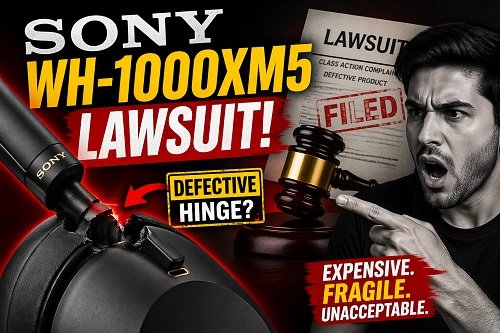
A class action lawsuit filed in the United States has brought the spotlight onto these headphones—not for their sound quality, but for an alleged defect that many users claim makes them break far too easily.
The Core Issue: Alleged Hinge Defect
The lawsuit mainly focuses on one specific problem: the hinge mechanism.
According to the complaint, the hinges that connect the earcups to the headband are prone to breaking under normal use. This isn’t about dropping the headphones or mishandling them. Instead, users claim that the hinges can crack or fail simply from regular wear, like putting the headphones on and taking them off.
The case argues that this happens because of weak materials or poor design. Over time, stress builds up in the hinge area, leading to fractures in the internal plastic components. Eventually, the earcups may detach completely, making the headphones unusable.
Who Filed the Lawsuit?
The class action lawsuit was filed by a consumer named Ian Kanter against Sony’s U.S. divisions. It was submitted in a federal court in New York.
Kanter is not just representing himself. He aims to represent a larger group of customers across the country who purchased the WH-1000XM5 and experienced similar issues.
This is what makes it a “class action” case—if successful, it could impact thousands of users.
What Are the Legal Claims?
The lawsuit includes several serious allegations against Sony. These include:
● Breach of express warranty
● Breach of implied warranty
● Fraudulent concealment
● Unjust enrichment
● Violations of consumer protection laws
In simple terms, the complaint says Sony sold a premium product that didn’t meet reasonable expectations of durability—and failed to properly address the issue.
The Warranty Controversy
One of the biggest complaints isn’t just the defect itself, but how Sony allegedly handled it.
Many users claim that when they contacted Sony for repairs or replacements, the company refused to help. Instead, Sony reportedly labeled the damage as “user-caused” or “physical damage,” which is not covered under standard warranty terms.
As a result, customers were often asked to pay high repair fees, even when the headphones were still under warranty.
This has become a key part of the lawsuit. The plaintiff argues that Sony knew about the issue but still denied responsibility.
Widespread Consumer Complaints
The lawsuit didn’t appear out of nowhere. It was backed by growing complaints across multiple platforms.
Users have reported:
● Hinges cracking within months
● Headbands weakening or splitting
● Expensive out-of-warranty repair costs
● Rejected warranty claims
Some reports even mention repair costs reaching hundreds of dollars, which feels unreasonable for a premium product.
Online discussions, forums, and consumer reports suggest that this may not be an isolated issue.
Why This Case Matters
This lawsuit goes beyond just one product. It touches on a bigger issue in the tech industry: durability vs. premium pricing.
The WH-1000XM5 is marketed as a high-end device. When customers pay a premium price, they expect reliability and long-term use. If a product fails under normal conditions, it raises questions about quality control and design priorities.
It also brings attention to how companies handle warranty claims. If defects are consistently blamed on users, it can erode trust.
Sony’s Position
As of now, Sony has not publicly admitted to any defect in the WH-1000XM5. In many cases, the company has maintained that damage to the headphones is due to external factors or misuse.
Like most companies facing legal action, Sony is expected to defend itself in court. The final outcome will depend on evidence, technical analysis, and legal arguments from both sides.
What Happens Next?
The case is still ongoing, and it may take months—or even years—before a final decision is reached.
Possible outcomes include:
● Settlement with compensation for users
● Free repairs or replacements
● No liability if Sony successfully defends the claims
For now, affected users are watching closely.
Final Thoughts
The Sony WH-1000XM5 lawsuit highlights a gap between product expectations and real-world performance. While the headphones still deliver excellent sound, the legal case raises doubts about their durability and after-sales support.
If the allegations are proven true, it could push companies to improve both product design and customer service policies. And for consumers, it’s a reminder that even premium products are not always perfect.