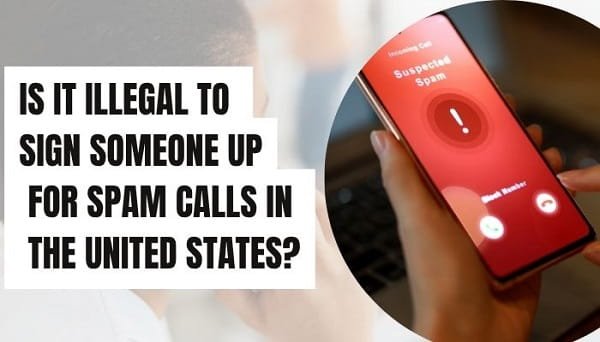
In the modern era of constant robocalls, telemarketing solicitations, and unwanted automated text messages, many people have wondered whether it is possible to turn the tables by signing someone else up to receive a flood of spam calls as a form of revenge, pranking, or harassment. The impulse is understandable — if you have been on the receiving end of nonstop robocalls, making someone else experience the same misery might seem like poetic justice. But the legal question of whether signing someone up for unwanted calls or messages without their consent is illegal involves federal telecommunications law, consumer protection statutes, and harassment law — and the answer is clearly yes, this conduct is illegal and can result in significant legal consequences.
The Telephone Consumer Protection Act
The primary federal statute governing unwanted telephone communications is the Telephone Consumer Protection Act of 1991, which restricts telemarketing calls, auto-dialed calls, pre-recorded voice messages, text messages, and unsolicited faxes. The TCPA was enacted in response to widespread consumer complaints about intrusive telemarketing practices and has been the subject of extensive litigation and regulatory development in the decades since its passage.
While the TCPA is primarily directed at the companies and individuals who make the unwanted calls rather than at people who sign others up to receive them, the statute and its implementing regulations create the legal foundation for liability that flows from deliberately manipulating the telemarketing system to target an unwilling recipient. The TCPA gives consumers a private right of action against entities that violate its provisions, and it imposes statutory damages of $500 per violation — trebled to $1,500 for willful violations — that can make TCPA litigation enormously consequential for violators.
How Signing Someone Up for Spam Calls Is Illegal
The specific act of deliberately enrolling someone else’s phone number in marketing lists, robocall services, or telemarketing databases without their consent creates liability in several distinct legal frameworks. From a direct harm perspective, a person who submits someone else’s phone number to dozens of telemarketing services — representing that the phone number belongs to a person who has consented to receive calls — is facilitating the harassment of the victim and potentially exposing the telemarketing companies to TCPA liability for calling someone who did not actually consent.
From an identity fraud perspective, submitting someone else’s personal information — including their phone number — to third-party services without their authorization constitutes a form of identity misuse that can implicate state identity fraud and impersonation statutes. Many state identity fraud laws broadly define unauthorized use of another person’s identifying information, and a phone number is specifically recognized as personal identifying information under state and federal privacy law.
From a harassment perspective, deliberately signing someone up for unwanted calls as a campaign of harassment implicates criminal harassment statutes in every U.S. state. A course of conduct designed to cause another person substantial emotional distress — including by generating a flood of unwanted telemarketing calls to their phone — satisfies the elements of criminal harassment in most jurisdictions when it is done with the intent to harass, annoy, or alarm the victim.
The Computer Fraud and Abuse Act
When signing someone up for spam calls involves accessing online telemarketing portals, lead generation forms, or subscription services using a device connected to the internet, the Computer Fraud and Abuse Act may also apply. The CFAA prohibits unauthorized access to computer systems and the transmission of fraudulent information through computer systems with the intent to defraud or harm. Submitting false information — representing that you are the phone number’s owner when you are not — through online systems arguably constitutes fraudulent transmission under the CFAA’s broad prohibitions.
CAN-SPAM and Electronic Messaging
The federal CAN-SPAM Act, which governs commercial email, and the FCC’s regulations implementing the TCPA for text messages both address unwanted electronic commercial messaging. While CAN-SPAM is primarily directed at email marketers rather than individuals who sign others up for email lists, the broader principle that recipients must affirmatively consent to commercial electronic messaging is well established in federal law.
State Consumer Protection and Harassment Laws
State attorneys general across the country have authority to enforce consumer protection laws that prohibit unfair or deceptive practices affecting consumers, and the deliberate manipulation of telemarketing systems to target a victim who has not consented clearly falls within the category of unfair practices that harm consumers. State harassment statutes that address telephone harassment — including harassment through repeated unwanted calls — can apply to the person who initiated the harassment campaign by signing the victim up for calls, even if the calls themselves are made by third-party telemarketers.
The National Do Not Call Registry
The National Do Not Call Registry, maintained by the Federal Trade Commission, allows consumers to register their phone numbers to opt out of most commercial telemarketing calls. Registering a phone number on the Do Not Call Registry without the number owner’s consent is a form of identity misuse, and deliberately submitting someone else’s number with false information about their consent is fraudulent conduct regardless of whether the underlying registration might benefit the victim by reducing their unwanted calls.
Real-World Consequences
Federal and state law enforcement agencies have pursued cases involving deliberate telephone harassment campaigns, and courts have imposed significant civil and criminal penalties on individuals who orchestrate coordinated harassment including unwanted calls. Civil liability under the TCPA, criminal harassment charges under state law, and potential CFAA charges create layered legal exposure for anyone who deliberately signs another person up for unwanted communications.
The Bottom Line on Signing Someone Up for Spam Calls
Signing someone up for spam calls without their consent is illegal under multiple federal and state legal frameworks including the TCPA, criminal harassment statutes, state identity fraud laws, and potentially the Computer Fraud and Abuse Act. The fact that the actual calls are made by third-party telemarketers does not insulate the person who initiated the harassment by submitting the victim’s information. Civil liability, criminal harassment charges, and identity fraud penalties create substantial legal risk for anyone who engages in this form of targeted harassment. The act is both clearly illegal and clearly harmful, and American law treats it accordingly.