Bulletproof vests — more accurately called body armor or ballistic vests — are personal protective equipment designed to absorb and dissipate the energy of projectiles, reducing or preventing penetrating injuries from firearms. Once considered equipment exclusively for law enforcement and military personnel, body armor has become increasingly relevant to private citizens who work in high-risk occupations, engage in competitive shooting sports, or are concerned about personal safety in an era of heightened awareness about public violence. The question of whether owning a bulletproof vest is legal in the United States involves federal law, state-specific restrictions, and important prohibitions that apply to specific categories of individuals regardless of where they reside.
Federal Law on Body Armor Ownership
At the federal level, there is no blanket prohibition on private citizens owning or wearing body armor. The federal government has not enacted any statute that makes civilian ownership of bulletproof vests illegal as a general matter, and millions of Americans legally own body armor for a wide range of legitimate purposes. This federal permissiveness reflects a policy judgment that the defensive nature of body armor — its purpose is to protect the wearer rather than to harm others — distinguishes it from offensive weapons that might more readily justify categorical restrictions.
The primary federal law addressing body armor ownership is the Body Armor Safety Initiative Act, which was incorporated into federal statute as 18 U.S.C. Section 931. This provision does not prohibit civilian body armor ownership generally. Instead, it specifically prohibits the purchase, ownership, or possession of body armor by individuals who have been convicted of a violent felony as defined under federal or state law. A person with a violent felony conviction on their record cannot legally possess body armor under federal law, and violation of this prohibition is itself a federal felony carrying penalties of up to three years in federal prison.
The definition of violent felony under the federal body armor prohibition covers convictions for crimes including murder, voluntary manslaughter, robbery, assault, sexual assault, and any other crime involving the use or threatened use of physical force against another person, as well as burglary and any other crime that presents a serious risk of physical injury. This categorical prohibition on body armor for violent felons reflects Congress’s determination that providing additional defensive capability to individuals who have demonstrated a willingness to commit violence against others creates unacceptable public safety risks for law enforcement officers who may encounter them.
State Laws Restricting Body Armor
While federal law restricts body armor for violent felons nationwide, several states have enacted their own body armor regulations that impose additional restrictions on civilian ownership beyond the federal baseline. These state-level restrictions vary in their scope and specifics but generally follow one of several approaches — expanding the categories of persons prohibited from owning body armor, restricting the use of body armor in the commission of crimes, or imposing purchase restrictions on certain categories of body armor.
Louisiana is the most restrictive state regarding body armor, prohibiting the purchase, possession, or wearing of body armor by any individual except in the individual’s home or business. Louisiana’s broad restriction on body armor outside of private settings is among the most sweeping civilian body armor restrictions in the country and has generated legal debate about its scope and constitutional implications. New York restricts the purchase of body armor to in-person transactions, prohibiting the online sale and direct-to-consumer shipping of body armor to New York residents — a restriction that requires New Yorkers to appear in person at a retailer to complete any body armor purchase. Connecticut prohibits body armor purchase through online transactions or mail order, requiring face-to-face transactions. Maryland has introduced legislation addressing body armor restrictions, and the regulatory landscape in several states continues to evolve.
Using Body Armor While Committing a Crime
Even in states where body armor ownership is generally legal, using body armor while committing a crime triggers serious criminal penalty enhancements in virtually every jurisdiction. Federal law and most state criminal codes impose enhanced sentences on defendants who wore body armor while committing a violent crime or drug trafficking offense, treating the use of protective equipment during criminal activity as evidence of premeditation and as a factor that endangers law enforcement officers attempting to apprehend the armed and armored offender.
These body armor enhancement statutes can add years to a defendant’s sentence on top of the underlying offense’s penalty. A defendant who commits a federal drug trafficking offense while wearing body armor faces a mandatory additional five years in federal prison under 18 U.S.C. Section 3146. State criminal code body armor enhancements vary in their specific penalty additions but are broadly available in most jurisdictions and are actively used by prosecutors in cases involving armed defendants who took steps to protect themselves from law enforcement response.
Who Can Legally Own Body Armor
Under current federal and state law, the following categories of individuals can generally legally own and possess body armor in most U.S. states: adults who have no violent felony convictions, law enforcement officers and active military personnel, security professionals and private protection specialists, competitive shooters and hunting enthusiasts who use body armor for training, and civilians who purchase body armor for personal protection purposes.
Persons who are prohibited from owning body armor include those convicted of violent felonies under federal or state law, and in states with additional restrictions, potentially others depending on the specific statutory framework. The legal framework for body armor ownership parallels in some respects the framework for firearm ownership — identifying categories of individuals whose demonstrated risk to public safety justifies restricting their access to equipment that could make them more dangerous.
Online Purchases and Retail Availability
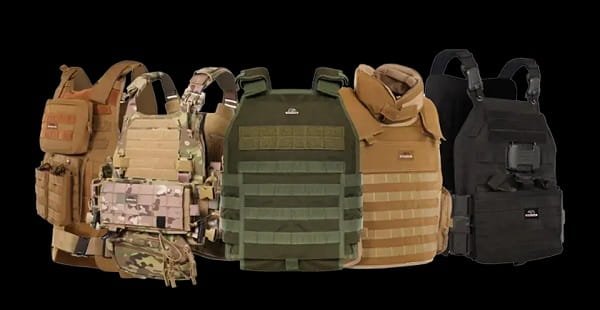
Body armor is commercially available through a wide range of retailers including sporting goods stores, law enforcement equipment suppliers, military surplus stores, and numerous online retailers. Soft body armor — vests containing woven ballistic fiber materials like Kevlar — is the most commonly purchased type for civilian use, offering protection against handgun rounds while remaining relatively lightweight and wearable. Hard plate carriers incorporating ceramic or steel ballistic plates offer greater protection against rifle-caliber rounds but are heavier and less commonly used in civilian applications.
The online purchase restrictions enacted by New York and Connecticut represent the most significant practical limitations on body armor retail access for civilian purchasers, requiring that residents of those states specifically seek out local retailers for in-person transactions rather than using the convenient online purchasing options available in most other states.
The Bottom Line on Owning a Bulletproof Vest
Owning a bulletproof vest is legal under federal law for adults without violent felony convictions and in most U.S. states without additional restriction. Federal law specifically prohibits body armor ownership by violent felons, with penalties of up to three years in federal prison. Louisiana imposes broad restrictions on wearing body armor outside private settings. New York and Connecticut restrict online body armor purchases, requiring in-person transactions. Using body armor while committing crimes triggers serious sentence enhancements in federal and state law. Law-abiding citizens who wish to own body armor for personal protection, professional use, or sporting purposes can do so legally in the vast majority of American jurisdictions.