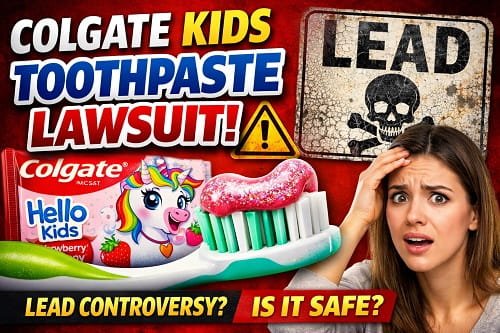
In early 2026, Colgate-Palmolive and its subsidiaries — Hello Products and Tom’s of Maine — are facing several class-action lawsuits in the United States. These cases have attracted major attention online and among parents because they involve products designed specifically for children.
The lawsuits claim that some children’s oral-care products may contain heavy metals and that the companies may have marketed them in ways that could mislead consumers. The allegations have sparked widespread discussion about product safety, labeling transparency, and how companies promote toothpaste for young users.
Although the cases are still moving through the courts and no final rulings have been issued, the controversy has become a trending topic due to safety concerns and growing regulatory scrutiny.
The Core Legal Claims
The lawsuits, filed mainly during late 2024 and throughout 2025, focus on three major allegations against the companies.
1. Lead and Mercury Contamination
One of the most serious claims involves possible contamination with heavy metals, particularly lead and mercury.
According to legal complaints, independent laboratory testing reportedly found measurable amounts of lead in certain children’s toothpaste products. In one case, Barton v. Colgate-Palmolive, plaintiffs claim that testing of Hello Kids toothpaste varieties found lead levels ranging from 236 to 658 parts per billion (ppb).
The lawsuit argues that these levels exceed the limits the U.S. Food and Drug Administration typically allows in candy marketed for children. Because toothpaste can sometimes be swallowed by young users, the presence of heavy metals has raised concerns among parents.
Lead exposure is especially dangerous for children because it can affect brain development, learning ability, and behavior. Even small amounts over long periods can potentially cause health issues.
2. Deceptive Marketing Claims
Another key part of the lawsuits focuses on marketing practices.
Plaintiffs claim that Colgate-Palmolive markets certain children’s toothpaste products as “natural,” “safe,” and “kid-friendly.” The lawsuits argue that if heavy metals are present, the company should clearly disclose this information to consumers.
The complaints say parents purchased these products believing they were completely safe for daily use by children. The lawsuits claim that failing to disclose possible contaminants could mislead consumers.
The companies, however, maintain that their products comply with all applicable safety standards and regulations.
3. Concerns About Fluoride Overuse
Separate lawsuits have also raised concerns about fluoride exposure in children’s oral care products.
Some legal complaints argue that colorful packaging, candy-like flavors, and playful images — such as unicorns, fruit, or cartoon animals — could encourage children to swallow toothpaste or use larger amounts than recommended.
Fluoride is widely recognized as an effective cavity-fighting ingredient. However, excessive fluoride ingestion can sometimes lead to dental fluorosis, a condition that causes discoloration or white spots on teeth.
Critics argue that the marketing style of some kids’ toothpaste products may unintentionally encourage overuse.
Products Named in the Lawsuits
Several specific products have been mentioned in legal filings related to these cases.
Hello Kids Fluoride Toothpaste
The lawsuits cite multiple flavored varieties designed for children, including:
- Unicorn Sparkle
- Dragon Dazzle
- Magical Mermaid
- Smiling Shark
- Wild Strawberry
These products are known for their colorful packaging and sweet flavors that appeal to younger users.
Hello Kids Fluoride-Free Toothpaste
Another product mentioned in lawsuits is:
- Fresh Watermelon flavor
Even though this product does not contain fluoride, it has been cited in testing claims related to possible heavy metal contamination.
Tom’s of Maine Natural Kids Toothpaste
One product specifically mentioned in legal filings is:
- Silly Strawberry toothpaste
This brand is marketed as a natural alternative and is popular among parents who prefer organic or plant-based ingredients.
Hello Kids Fluoride Rinse
Another product cited in lawsuits is Hello Kids Fluoride Rinse, which some complaints claim was marketed toward children younger than six years old.
Health organizations such as the FDA and CDC generally advise against fluoride rinses for very young children because they may swallow the liquid instead of spitting it out.
Why the Issue Is Trending Now
Although many of these lawsuits began between 2024 and 2025, the topic has recently gained fresh attention for several reasons.
Increased Regulatory Scrutiny
In late 2024, the FDA issued a warning letter to a Tom’s of Maine manufacturing facility after inspectors reportedly found concerns involving water quality used in production.
Reports mentioned issues such as bacteria and mold-like substances, which increased regulatory attention toward children’s oral-care products.
State Investigations
Some state officials have also launched investigations into whether oral-care companies are improperly marketing fluoride products to children.
For example, the Texas Attorney General opened an investigation in 2025 to determine whether toothpaste companies were promoting products in ways that could lead to excessive fluoride exposure.
These investigations added momentum to the lawsuits and pushed the story into the national spotlight.
Viral Social Media Reports
Consumer safety advocates have also played a role in bringing attention to the issue. Reports from groups such as Lead Safe Mama, which tests household products for heavy metals, circulated widely online.
Parents shared the findings across social media platforms, causing the topic to trend and leading many families to question the safety of certain toothpaste brands.
Current Status of the Cases
At present, the lawsuits are still ongoing and no court has issued a final ruling on the heavy metal allegations.
Colgate-Palmolive has generally denied wrongdoing and says its products meet all required safety standards.
Experts also point out that trace amounts of minerals can sometimes occur naturally in ingredients used to make toothpaste, such as calcium carbonate or silica, which are derived from earth-based materials.
The courts will ultimately decide whether the levels detected in testing are considered unsafe or whether companies failed to properly inform consumers.
Safe Brushing Tips for Parents
Despite the controversy, dental professionals still emphasize that brushing with fluoride toothpaste is essential for preventing cavities.
Parents can reduce risks by following recommended guidelines:
Children under 3 years:
Use a smear of toothpaste about the size of a grain of rice.
Children ages 3 to 6:
Use a pea-sized amount.
Supervision:
Always watch children while brushing to make sure they spit out the toothpaste instead of swallowing it.
Conclusion
The Colgate kids toothpaste lawsuits highlight growing concerns about transparency and safety in products designed for children. Allegations involving heavy metals, marketing practices, and fluoride exposure have triggered legal battles and regulatory investigations.
While the cases are still unresolved, the controversy has already prompted widespread discussion about how children’s oral-care products are tested, labeled, and marketed.
As the legal process continues, the final outcome could influence future safety standards and advertising practices across the entire toothpaste industry.