Naming a child is one of the most personal and consequential decisions parents make, and in the United States, that decision is protected by a remarkably permissive legal framework that stands in stark contrast to the strict naming regulations found in many other countries. The question of whether naming a child King is illegal in the United States is one that touches on constitutional parental rights, the administrative mechanics of birth certificate filing, and the very limited circumstances under which American governments have attempted to regulate the substance of names. The direct answer is that naming your child King is completely legal in the United States, and no federal law, state statute, or local ordinance prohibits this name or any similar title-based name anywhere in the country.
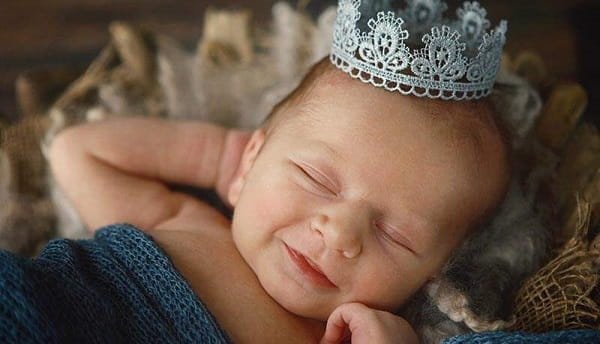
The American Approach to Baby Names
The United States has one of the most permissive name regulatory environments in the world. Unlike countries such as Germany, Denmark, New Zealand, and France — which maintain official name approval processes, require names to clearly indicate the child’s gender, or restrict names to approved government lists — the United States has no federal naming authority, no national name approval registry, and no substantive content-based restrictions on baby names at the federal level. The regulation of birth certificate filing and name recording is left entirely to individual states, and even at the state level, the regulatory framework focuses almost exclusively on administrative and technical aspects of name recording rather than on the content of names themselves.
This regulatory permissiveness reflects deep constitutional principles about parental rights and government restraint in matters of family decision-making. The Supreme Court has recognized parental rights in child-rearing as fundamental constitutional interests protected by the Fourteenth Amendment’s due process clause, and the First Amendment’s protections for speech and expression create additional constitutional barriers to government attempts to control the names parents choose for their children. Any law that attempted to prohibit specific names based on their content would face immediate and powerful constitutional challenge.
Why King Is a Perfectly Legal Name
The name King is not only legal but relatively common in the United States, particularly within African American communities where it carries historical and cultural significance as a tribute to the legacy of the Reverend Dr. Martin Luther King Jr. The name appears throughout American society — in professional sports, entertainment, business, and public life — without any legal complication at the naming stage. Social Security cards, birth certificates, driver’s licenses, passports, and all other official documents have been issued to individuals named King across the country without any administrative impediment.
Title-based names more broadly — including Duke, Earl, Prince, Princess, Baron, Countess, and similar royal or aristocratic designations — are equally legal in the United States. American birth records include individuals with all of these names, and none of them triggers any statutory prohibition in any state. The historical American antipathy toward formal aristocratic titles — reflected in the Constitution’s Titles of Nobility Clause, which prohibits the government from granting noble titles — does not extend to prohibiting private individuals from choosing these words as personal names for their children.
What Limited Name Restrictions Do Exist in the United States
While King is entirely unproblematic, it is worth understanding the very limited nature of the name restrictions that do exist in American law to provide complete context. Most states’ birth certificate filing regulations impose administrative restrictions related to the technical recordability of names rather than their content. Names must be recordable in standard alphanumeric characters — a requirement that has led some vital records offices to reject names composed entirely of numbers, symbols such as asterisks or hashtags, or characters from non-standard alphabets that cannot be processed by vital records systems.
A small number of states have vague provisions in their name change statutes — not their birth certificate filing statutes — referencing the power to deny name changes that would be obscene or offensive to the general public. These provisions have been extremely rarely invoked, have been challenged on First Amendment grounds when applied, and do not create a general power to prohibit specific baby names at birth. Even if such a provision were stretched to apply to birth names, King would obviously not fall within any reasonable definition of obscene or offensive content.
Courts across the United States have been consistently reluctant to interfere with parental naming choices, recognizing that the decision to name a child reflects deeply personal values, cultural heritage, family traditions, and individual expression that the government has no legitimate interest in controlling absent extraordinary circumstances.
International Comparisons That Highlight American Permissiveness
The permissiveness of American naming law becomes most apparent when compared to countries where King and similar names have actually been prohibited or restricted. New Zealand’s Births, Deaths and Marriages Registration Act gives registrars the authority to refuse names that might cause offense or that resemble official titles, and New Zealand has famously rejected names including King, Queen, Duke, and similar titles as inappropriate because they could imply official status that the child does not hold. Germany’s naming law requires that names clearly indicate the child’s gender and not subject the child to ridicule, and the German civil registry system screens proposed names against established standards. Several Scandinavian countries maintain approved name lists that parents must choose from, with a formal application process for names not on the list.
None of these regulatory frameworks exist in the United States. An American parent who wishes to name their child King, Queen, Duke, Prince, Baron, Emperor, or any similar title-based name faces no legal obstacle at any stage of the birth registration process.
Cultural and Practical Considerations
While naming a child King is entirely legal, some parents consider practical implications beyond the strictly legal question. A child named King may encounter social reactions, questions about the name’s meaning or origin, and occasional confusion in formal settings. These are social and practical considerations rather than legal ones, and they reflect the same kind of personal judgment that any unusual or distinctive name choice involves. The law leaves these considerations entirely to parental discretion.
The Bottom Line on Naming Your Kid King
Naming your child King is completely legal in every U.S. state. No federal law, state statute, or local ordinance prohibits this name. The United States has one of the most permissive baby naming legal frameworks in the world, reflecting constitutional protections for parental rights and First Amendment principles that create powerful barriers to government content-based naming restrictions. Title-based names including King, Prince, Duke, and similar designations are regularly given to American children and appear on birth certificates, Social Security records, and all other official documents without any legal impediment.