The online fitness industry has grown rapidly in the last decade, and companies that promise fast transformations often attract both massive popularity and serious criticism. One brand that has repeatedly been in the spotlight is V Shred, a fitness company known for its aggressive marketing and personalized workout programs.
Over the years, the company has faced legal complaints and consumer backlash related to its advertising methods, refund policies, and marketing claims. The V Shred lawsuit discussions highlight the broader issue of transparency and ethics in the digital fitness business.
Here is a clear breakdown of the controversy and what it means for consumers.
What Is V Shred?
V Shred is a popular online fitness and nutrition brand founded by fitness influencer Vince Sant. The company sells digital workout programs, diet plans, supplements, and coaching services designed to help people lose weight or build muscle.
Their marketing strategy heavily relies on social media advertisements and YouTube videos. Many of these ads promise personalized fitness plans based on body type quizzes and quick transformation results.
While this approach helped the company grow quickly, it also triggered criticism from fitness experts and customers who questioned the accuracy of its claims.
Why the V Shred Lawsuit Became a Talking Point
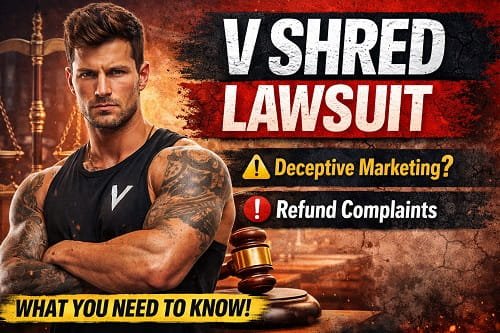
The controversy around V Shred mainly centers on allegations of deceptive marketing practices. Some customers and critics argued that the company’s ads could mislead viewers into believing that the programs are uniquely tailored to their body type.
In many cases, users reported that after completing the online quiz, they were given very similar workout plans regardless of their answers. Critics claimed this made the “custom plan” marketing claim questionable.
Consumer complaints also mentioned aggressive upselling tactics after purchasing a basic program. Some customers said they were repeatedly pushed to buy additional coaching services or supplements.
While these issues sparked legal discussions and complaints, not all resulted in formal court rulings. However, they contributed to the public perception that the company’s marketing practices needed greater transparency.
Consumer Complaints and Refund Issues
Another major issue linked to the V Shred controversy involves refund policies and customer service.
Several customers reported difficulties when trying to cancel subscriptions or request refunds for programs they were not satisfied with. Online review platforms and forums have featured complaints from users who said they felt trapped in recurring billing cycles.
These complaints attracted the attention of consumer watchdog groups and online reviewers who began examining the company’s practices more closely.
Although many digital fitness platforms face similar complaints, the volume of feedback about V Shred made it a recurring topic in consumer discussions.
Criticism from Fitness Experts
Apart from legal and consumer complaints, V Shred has also faced criticism from well-known fitness trainers and YouTube educators.
Some experts argue that the body type system promoted in V Shred advertisements—often categorized as ectomorph, mesomorph, or endomorph—is oversimplified and not strongly supported by modern sports science.
Critics claim that the company’s marketing sometimes exaggerates how much these body types determine weight loss or muscle gain.
Supporters of the brand, however, say the programs still provide structured workout guidance and diet plans that many beginners find helpful.
V Shred’s Response to the Controversy
The company has defended its products and marketing strategy, stating that its programs are designed to provide guidance for individuals at different fitness levels.
V Shred also emphasizes that thousands of users have reported positive results through their training programs and nutrition plans.
Like many digital fitness brands, the company has continued to update its marketing and customer service systems as online criticism increased. Businesses in this space often refine their policies as they grow and face greater public scrutiny.
What Consumers Should Learn from the Case
The debate around the V Shred lawsuit and related complaints highlights a larger lesson for consumers.
Before purchasing any online fitness program, it is important to:
- Research independent reviews from multiple sources
- Understand refund and cancellation policies
- Be cautious of marketing that promises extremely fast results
- Compare programs with guidance from certified fitness professionals
The internet has made fitness information widely available, but it has also made it easier for companies to use persuasive advertising tactics.
Taking a little time to verify claims can help avoid disappointment later.
Final Thoughts
The controversy surrounding the V Shred lawsuit discussions shows how quickly a popular online brand can become the center of debate when marketing claims, customer experiences, and scientific credibility collide.
While many users say they benefited from the company’s programs, others believe the advertising created unrealistic expectations. As the digital fitness industry continues to grow, transparency and honest communication will likely become even more important for brands hoping to build long-term trust with customers.
For consumers, the key takeaway is simple: research first, understand what you are buying, and approach bold fitness promises with a healthy dose of skepticism.