Honey bees have never been more prominently featured in American environmental and agricultural policy discussions than they are today. The alarming decline of honey bee populations over the past two decades — driven by colony collapse disorder, Varroa mite infestations, pesticide exposure, habitat loss, and disease — has generated widespread recognition that honey bees are essential to American agriculture and food security. Honey bees pollinate approximately one-third of all food crops consumed in the United States, and their services to agriculture are valued at billions of dollars annually. This ecological and economic significance has prompted a common question among environmentally conscious Americans — is it illegal to kill honey bees? The answer involves federal pesticide law, state beekeeper protection statutes, the distinction between managed and feral honey bee colonies, and an important reality about the legal status of insects in American wildlife law.
Honey Bees Are Not Federally Protected Wildlife
The first and most important legal clarification about honey bees is that they are not protected under the federal Migratory Bird Treaty Act, the Endangered Species Act, or any other federal wildlife protection statute that would make killing individual honey bees a federal crime. Despite their critical ecological importance and their designation by many conservation organizations as a species of concern, the western honey bee — Apis mellifera — has not been listed as threatened or endangered under the ESA, and it is not a native species protected by federal wildlife law.
The honey bee is actually not native to North America — it was introduced by European colonists in the early 17th century and has been a managed agricultural species throughout American history. Its status as a domesticated and introduced species rather than a native wild species has affected its legal classification under wildlife protection frameworks that primarily target native species.
Certain native North American bee species — including several bumble bee species — have been listed as threatened or endangered under the ESA. The rusty patched bumble bee was listed as endangered in 2017, and several other native bee and pollinator species have been the subject of ESA listing petitions and conservation programs. Killing ESA-listed native bee species would constitute a federal violation with significant penalties, but the western honey bee that most Americans think of when they imagine a bee is not among the federally listed species.
State Laws Protecting Honey Bees and Beekeeping
While federal law does not specifically protect honey bees as wildlife, many U.S. states have enacted laws that protect honey bees in the context of their agricultural and property value. These state protections typically take two forms — agricultural property protection laws that recognize honey bee colonies as the legal property of beekeepers, and apiary regulation laws that protect registered bee colonies from destruction.
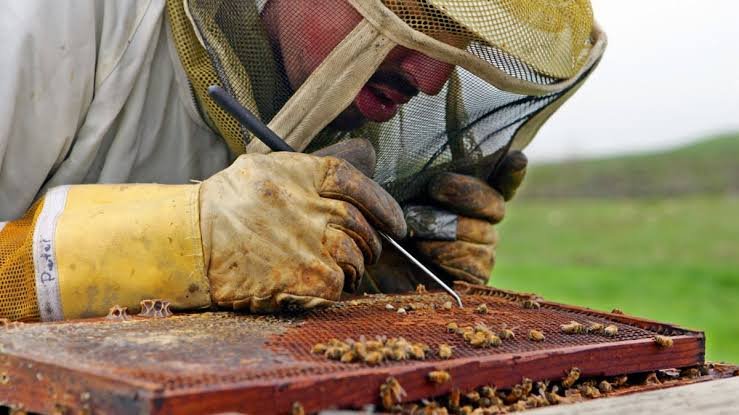
State apiary laws exist in virtually every state and establish registration requirements for commercial and hobbyist beekeepers, standards for bee colony health management, and in many cases provisions protecting registered colonies from unauthorized destruction. A registered honey bee colony maintained by a beekeeper is legally the property of that beekeeper, and intentionally destroying or damaging a registered colony without the owner’s authorization constitutes property destruction or criminal mischief under applicable state law. Beekeepers who discover that someone has deliberately destroyed their hives can pursue criminal charges for property damage and civil claims for the value of the destroyed colony, equipment, and honey.
California has some of the most protective provisions for honey bees among the states, reflecting the state’s enormous agricultural industry that depends heavily on commercial honey bee pollination services. California law provides specific protections for managed honey bee colonies and imposes penalties for their unauthorized destruction that go beyond standard property damage provisions.
Federal Pesticide Law and Honey Bee Protection
The most significant federal legal framework affecting honey bee survival involves pesticide regulation under the Federal Insecticide, Fungicide, and Rodenticide Act, administered by the EPA. FIFRA requires that pesticide labels include specific directions and restrictions for use, and many pesticide labels include specific provisions designed to protect pollinators including honey bees from toxic exposure. Using a pesticide in a manner that violates its EPA-approved label — including applying bee-toxic pesticides during bloom periods when bees are foraging, or applying pesticides without taking required precautions to protect bee colonies — constitutes a FIFRA label violation.
The EPA has increasingly incorporated pollinator protection language into pesticide label requirements for products known to be toxic to bees, including neonicotinoid insecticides that have been associated with colony collapse disorder and other bee health impacts. Farmers, homeowners, and commercial pesticide applicators who use these products must comply with label requirements that may include application timing restrictions, buffer zones around beehives, and notification requirements for beekeepers in the vicinity of planned applications.
Violations of FIFRA label requirements carry civil penalties of up to twenty-five thousand dollars per violation for commercial applicators and lesser penalties for homeowner use. These penalties apply regardless of whether the label violation results in documented bee deaths, though documented bee kills from pesticide violations strengthen enforcement cases and can also support civil liability claims by affected beekeepers.
Property Owner Rights and Feral Honey Bee Colonies
An important legal distinction in honey bee law involves the difference between managed honey bee colonies maintained by registered beekeepers and feral honey bee colonies — established by wild swarms in tree cavities, building voids, and other natural or structural locations without human management. Feral honey bee colonies are not the property of any individual beekeeper and are not registered under state apiary programs.
The legal status of feral honey bee colonies varies by state, but most states do not extend the same specific property protections to feral colonies that they provide for managed hives. A property owner who has feral honey bees nesting in the walls of their home and who calls a pest control company to eliminate the colony is not typically violating any law, because feral colonies are not protected property in the same way managed hives are. However, property owners are strongly encouraged by wildlife agencies and beekeeping organizations to contact local beekeepers for live removal and relocation of feral swarms rather than exterminating them, both for environmental reasons and because many beekeepers will remove swarms at no charge as a way of obtaining new colonies.
The Movement to List Honey Bees as Protected Species
The documented decline of honey bee populations and the ecological crisis posed by pollinator loss have generated advocacy for establishing greater legal protections for honey bees, including potential ESA listing petitions and state-level protection measures that would go beyond the current agricultural property framework. Some states have enacted pollinator protection plans and habitat programs that provide financial incentives for creating bee-friendly landscapes, reflecting a policy approach that promotes bee health through positive incentives rather than criminal prohibitions.
The broader pollinators and pesticides debate has resulted in some of the most contentious regulatory battles in American environmental law, with beekeeping organizations, environmental groups, and agricultural chemical companies actively litigating and lobbying over the regulatory treatment of bee-toxic pesticides. This ongoing policy debate reflects the genuine ecological urgency of honey bee decline and the significant economic and agricultural interests at stake in how American law treats these essential insects.
The Bottom Line on Killing Honey Bees
Killing individual honey bees or destroying feral honey bee colonies is not a federal crime because western honey bees are not protected under federal wildlife statutes. Intentionally destroying a registered honey bee colony belonging to a beekeeper constitutes criminal property damage and civil fraud under state law, with liability for the value of the destroyed colony and equipment. Federal FIFRA label violations for pesticide applications that cause documented bee kills carry civil penalties and can support civil liability claims by affected beekeepers. Some native bee species including the rusty patched bumble bee are federally protected under the ESA, and killing listed native bee species is a federal violation. The most practically effective legal protection for honey bees comes through pesticide label compliance requirements and state apiary property protection laws rather than through direct wildlife protection frameworks that do not currently cover the western honey bee.