The Cadillac Lyriq was launched as a bold step into the future. It is a premium electric SUV from General Motors, designed to compete with top EV brands. But recently, the vehicle has found itself in legal trouble.
A new lawsuit filed in 2026 has raised serious questions about the Lyriq’s reliability and performance. For a vehicle positioned as a luxury EV, these claims have caught the attention of both customers and the auto industry.
What the Lawsuit Is About
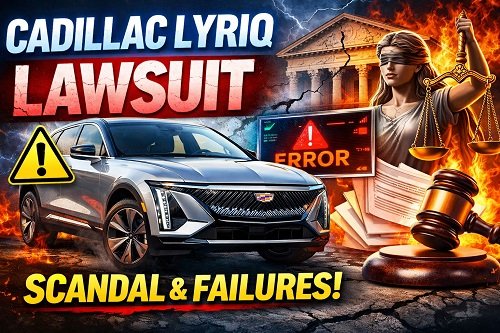
In April 2026, a lawsuit was filed in Washington State by owners of the Cadillac Lyriq. The case alleges that the SUV suffers from major defects that affect its basic functionality.
According to the complaint, some vehicles reportedly:
- Fail to start
- Cannot charge properly
- Suddenly stop working
These are not small inconveniences. The lawsuit claims that in some cases, the vehicle becomes completely unusable, which is a serious issue for any car—especially a premium electric SUV.
Even more concerning, the plaintiffs argue that General Motors already knew about these defects before selling the vehicle. They claim the company had access to internal reports, customer complaints, and testing data but continued marketing the Lyriq as reliable.
Reports of Sudden Failures
Another key issue highlighted in the lawsuit is the claim that some Lyriq SUVs can stop functioning without warning.
Owners have reported situations where:
- The car shuts down unexpectedly
- Systems fail while driving
- Restarting the vehicle becomes difficult
If proven true, this raises safety concerns, not just convenience problems. A vehicle stopping suddenly can put drivers and passengers at risk.
Earlier Complaints and Investigations
This lawsuit did not appear out of nowhere. The Cadillac Lyriq has faced multiple issues since its launch.
1. Brake System Concerns
There were earlier reports of problems with the braking system. In some cases, the anti-lock braking system (ABS) could malfunction, reducing stopping performance.
A U.S. safety investigation also looked into loss of brake assist, which could make braking harder during driving.
2. One-Pedal Driving Issues
There has also been a separate legal investigation into the Lyriq’s one-pedal driving system. This feature allows drivers to slow down using regenerative braking, but complaints suggest it may fail unexpectedly.
3. Software and Display Problems
Like many new EVs, the Lyriq relies heavily on software. Some recalls were linked to:
- Blank instrument displays
- Software glitches
- Incorrect system behavior
These issues were mostly fixed through updates, but they added to concerns about reliability.
Battery and Hardware Recalls
There have also been hardware-related recalls. One notable issue involved battery mounting bolts, which could be loose or missing.
While this affected a limited number of vehicles, it still raised questions about quality control in early production models.
GM’s Position So Far
As of now, General Motors has not publicly responded in detail to the latest lawsuit.
However, in past cases, the company has:
- Issued software updates
- Recalled affected vehicles
- Provided free repairs
This suggests that GM is actively working to fix issues, but the lawsuit argues that the problems go deeper than simple updates.
Why This Lawsuit Matters
The Cadillac Lyriq is not just another SUV. It represents GM’s shift toward an electric future. That makes this case important for several reasons:
1. Trust in Electric Vehicles
EV adoption is growing fast. But reliability issues like these can make buyers hesitant.
2. Brand Reputation
Cadillac is a luxury brand. Customers expect premium quality, and lawsuits like this can damage that image.
3. Early EV Challenges
The Lyriq is a first-generation EV on a new platform. Many of these issues highlight the challenges automakers face when launching new technology.
Final Thoughts
The Cadillac Lyriq lawsuit is still in its early stages, and no final judgment has been made. But the claims are serious. If proven true, they could impact not only GM but also the wider EV market.
At the same time, it’s worth noting that many early EVs from different brands have faced similar growing pains. Software bugs, hardware recalls, and system glitches are common in first-generation models.
For buyers, the takeaway is simple: do your research, check recall history, and stay updated on manufacturer fixes. The future of electric vehicles is strong—but cases like this show that the journey is still evolving.