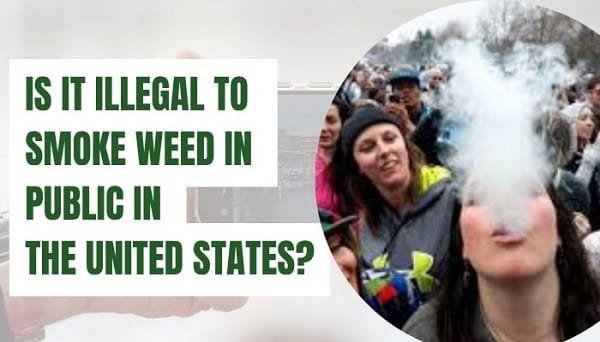
As marijuana legalization has swept across the United States over the past decade, a growing number of Americans in legal states have assumed that the freedom to purchase and possess cannabis extends to the freedom to consume it anywhere they choose — including on public streets, in parks, and in other outdoor public spaces. This assumption is incorrect in virtually every jurisdiction that has legalized cannabis, and understanding the specific public consumption laws that govern where marijuana can and cannot be used is essential for anyone who consumes cannabis in a legal state.
The Legal Status of Cannabis: Federal vs. State
Cannabis remains a Schedule I controlled substance under the federal Controlled Substances Act, meaning that its possession, use, sale, and distribution is illegal under federal law regardless of any state or local legalization measures. Federal law applies on all federal property — national parks, national forests, federal government buildings, military bases, airports, and any other federally owned or controlled land — making cannabis use illegal in these spaces regardless of the state’s cannabis laws.
At the state level, 24 states and the District of Columbia have legalized recreational cannabis as of 2025, and most other states have some form of medical cannabis program. However, state legalization invariably includes specific restrictions on where cannabis can be consumed, and public consumption restrictions are among the most universal and consistently enforced provisions of state cannabis laws.
Universal Public Consumption Bans in Legal States
Every U.S. state that has legalized recreational cannabis has simultaneously enacted provisions that specifically prohibit public consumption. Colorado, the first state to implement recreational cannabis sales, prohibits consuming marijuana in public places, which the state defines broadly to include any place open to the public or any place where members of the public have access. California’s recreational cannabis law — Proposition 64 — prohibits smoking or consuming cannabis in any public place, including streets, parks, sidewalks, and other public spaces accessible to the general population.
Washington State’s cannabis regulations similarly prohibit public consumption and specifically address consumption near schools, playgrounds, and other areas where children are present. Oregon, Nevada, Illinois, Massachusetts, Michigan, and all other states with recreational cannabis laws include comparable public consumption prohibitions that make smoking or consuming cannabis in public spaces a civil or criminal infraction regardless of whether the cannabis was legally purchased.
The practical implications of these universal public consumption bans are significant. In legal states, cannabis purchased from a licensed dispensary can only be legally consumed in private residences or in specifically licensed cannabis consumption venues where they exist — not in public spaces, not in hotel rooms in most cases, not in vehicles, and not in rental properties where the landlord prohibits it.
Penalties for Public Cannabis Consumption
The specific penalties for public cannabis consumption vary by state and sometimes by locality within states, but the most common enforcement approach treats it as a civil infraction similar to a traffic ticket rather than a criminal offense. In California, public cannabis consumption is an infraction punishable by a $100 fine. Colorado imposes a civil fine for public consumption. New York City has a $50 civil fine for public cannabis smoking under most circumstances.
States that treat public cannabis consumption as a criminal offense rather than a civil infraction impose more serious consequences including misdemeanor charges, potential short-term jail sentences, and criminal record implications. The criminal vs. civil distinction in how states treat public cannabis consumption is one of the most practically significant variations in cannabis law across legal jurisdictions.
Enhanced penalties typically apply when public consumption occurs near schools, daycare centers, youth-oriented facilities, or other locations where children are foreseeably present. These enhanced provisions reflect the universal legislative concern about cannabis exposure to minors and impose significantly greater fines and potential criminal consequences for consumption in proximity to child-frequented spaces.
Cannabis Consumption Lounges and Social Use Venues
Recognizing that not everyone who legally purchases cannabis has a private space where they can legally consume it — apartment dwellers whose leases prohibit smoking, hotel guests, tourists, and people experiencing housing instability all face this challenge — several states and localities have created a licensing category for cannabis consumption lounges or social consumption venues. These are licensed businesses specifically authorized to permit on-premises cannabis consumption by patrons.
Nevada has licensed cannabis lounges in Las Vegas and other areas. California has authorized local jurisdictions to license cannabis consumption lounges. New York City has begun licensing social consumption sites. These venues provide a legal space for cannabis consumption outside private residences, though they operate under significant regulatory requirements including age verification, ventilation standards, and operational restrictions that vary by jurisdiction.
Vehicle Consumption and Open Container Laws
Smoking or consuming cannabis in a motor vehicle — whether the vehicle is moving or parked — is illegal in virtually every state that has legalized recreational cannabis. Most states have enacted cannabis open container laws that mirror alcohol open container provisions, prohibiting the consumption of cannabis in a motor vehicle and restricting the possession of open or previously opened cannabis packaging in the passenger area of a vehicle. Driving under the influence of cannabis is a DUI offense in every state regardless of whether cannabis is legal for recreational use, with serious criminal consequences including license suspension, fines, and potential imprisonment.
Illegal States: Public Consumption as a More Serious Offense
In the states where cannabis remains fully illegal for recreational use — which still includes the majority of U.S. states as of 2025 — public consumption of marijuana is not merely a civil infraction but potentially a criminal offense under state drug possession and public intoxication laws. Public cannabis use in these states can result in misdemeanor or felony drug charges depending on the state’s possession penalty structure, creating substantially more serious legal consequences than the civil fine approach adopted by legal states.
The Bottom Line on Smoking Weed in Public
Smoking weed in public is illegal in every U.S. state regardless of whether cannabis is legal for recreational use. Legal states universally prohibit public consumption as part of their cannabis regulatory frameworks, treating it as a civil infraction in most cases with fines ranging from $50 to $250. Cannabis consumption lounges provide a legal alternative for consumers who lack private consumption spaces in some jurisdictions. Vehicle consumption is prohibited under cannabis open container laws in all legal states. Federal property remains off-limits regardless of state law. In illegal states, public cannabis consumption implicates criminal drug possession laws with more serious potential consequences.