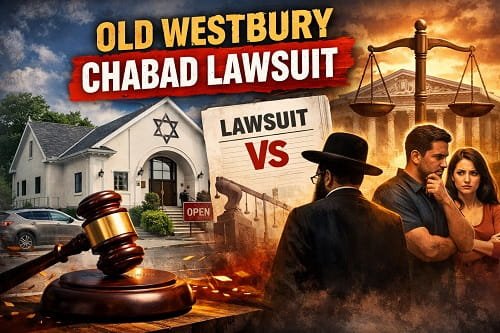
The legal dispute involving a Chabad synagogue in Old Westbury, New York, has drawn attention in recent months. At its core, the case reflects a mix of community concerns, zoning issues, and religious rights—topics that often intersect in suburban areas across the United States. Here’s a clear, up-to-date breakdown of what’s going on.
Background of the Synagogue
The synagogue at the center of the case is associated with the global Jewish outreach movement Chabad-Lubavitch. Chabad centers are known for establishing local community hubs where residents can attend religious services, educational programs, and cultural events.
The property in question is located in Old Westbury, a quiet and affluent village on Long Island. The area is primarily residential, with strict zoning rules that regulate how properties can be used.
What Sparked the Lawsuit?
The dispute began when local authorities raised concerns about how the property was being used. According to reports and legal filings, the village argued that the synagogue activities exceeded what was permitted under residential zoning laws.
Key issues included:
- Allegations that the property was being used as a full-scale synagogue rather than a private residence
- Increased traffic and parking concerns during religious gatherings
- Questions about whether proper permits were obtained
In response, representatives of the Chabad center pushed back, arguing that the use of the property falls under protected religious activity.
Legal Arguments on Both Sides
This case highlights a familiar tension in U.S. law—balancing local zoning authority with religious freedom.
Village’s Position
The village authorities claim:
- The scale of religious activities violates zoning regulations
- The property use disrupts the residential nature of the neighborhood
- Enforcement is necessary to maintain local planning standards
Chabad’s Position
The synagogue’s supporters argue:
- Their activities are protected under federal law, particularly the Religious Land Use and Institutionalized Persons Act (RLUIPA)
- The restrictions unfairly target religious practice
- Small, home-based religious gatherings are common and should not be penalized
RLUIPA is often central in such disputes. It prevents local governments from imposing land-use regulations that place a substantial burden on religious exercise without a compelling reason.
Recent Developments
As of the latest updates, the case is still moving through the legal system. Both sides have presented arguments, and the court is reviewing whether the village’s actions violate federal protections.
Some notable developments include:
- Ongoing court hearings to determine zoning compliance
- Legal scrutiny over whether enforcement was applied fairly
- Increased public attention, especially within religious freedom advocacy groups
Cases like this can take time to resolve, especially when federal laws are involved. Appeals and extended litigation are also possible depending on the outcome.
Why This Case Is Important
This lawsuit goes beyond a single synagogue. It raises broader questions that affect communities across the U.S.:
1. Religious Freedom vs Local Control
How far can local governments go in regulating religious spaces within residential areas?
2. Changing Use of Residential Spaces
As more people host religious or community gatherings at home, zoning laws are being tested in new ways.
3. Precedent for Future Cases
The outcome could influence similar disputes involving churches, temples, mosques, and other faith-based groups.
Community Impact
Locally, the case has created mixed reactions.
- Some residents support the village, citing concerns about traffic and neighborhood character
- Others back the synagogue, emphasizing the importance of religious expression
These kinds of disputes often reflect deeper community dynamics, where legal issues overlap with social and cultural differences.
What Happens Next?
The next steps will depend on court rulings. Possible outcomes include:
- A decision in favor of the village, requiring changes to how the property is used
- A ruling supporting the synagogue’s rights under federal law
- A negotiated settlement between both parties
In many similar cases, settlements are common, allowing both sides to reach a compromise without prolonged litigation.
Final Thoughts
The Old Westbury Chabad synagogue lawsuit is a classic example of how law, religion, and community life intersect. It’s not just about one building—it’s about defining the limits of religious freedom in modern neighborhoods.
As the case unfolds, it will likely remain a point of interest not only for local residents but also for legal experts and religious organizations across the country.