In recent headlines, Donald Trump has filed a massive $10 billion lawsuit, drawing attention across legal and political circles. The case is not just about money—it’s about influence, free speech, and the growing clash between politics and media power.
Let’s break it down in a simple, clear way.
What Is the $10 Billion Lawsuit About?
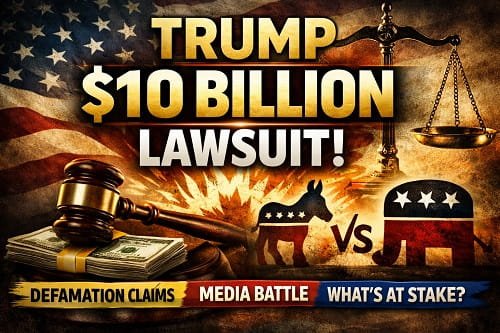
The lawsuit was filed by Donald Trump against major media organizations, including CNN. Trump claims that the network engaged in defamation, repeatedly portraying him in a false and damaging way.
According to the complaint, CNN allegedly used terms and narratives that linked Trump to serious misconduct without proper evidence. One key point raised was the comparison of Trump’s actions to historical events like Nazi propaganda—something his legal team argues crossed the line from opinion into defamation.
Trump is seeking $10 billion in damages, which is an unusually large amount even by high-profile legal standards.
Why Such a Huge Amount?
The $10 billion figure is not random. It serves two main purposes:
- Financial Compensation:Trump argues that his reputation, brand value, and political standing have been harmed.
- Strategic Pressure:A large number like this puts intense legal and public pressure on the defendants.
In high-profile defamation cases, big numbers are often used as a signal rather than a realistic expectation of payout.
Legal Grounds: Does the Case Hold Up?
Defamation cases in the United States are not easy to win—especially for public figures like Trump.
Under U.S. law, Trump must prove:
- The statements were false
- They were made with “actual malice”(meaning the publisher knew they were false or acted with reckless disregard for the truth)
This standard comes from the famous New York Times Co. v. Sullivan decision, which protects freedom of the press.
Because of this, legal experts say Trump faces an uphill battle.
How CNN Responded
CNN has strongly denied the allegations. The network maintains that its reporting falls under protected journalistic speech and opinion.
CNN has also indicated it will fight the case in court and may seek dismissal, arguing that the lawsuit lacks sufficient legal basis.
Political Context Behind the Lawsuit
This lawsuit is not happening in isolation. It comes at a time when Trump remains a central figure in American politics and continues to criticize mainstream media.
For years, Trump has labeled certain outlets as “fake news.” This case can be seen as an extension of that ongoing conflict.
It also raises a larger question:
Can powerful individuals use lawsuits to challenge or intimidate media organizations?
Broader Impact on Media and Free Speech
The case has sparked debate far beyond Trump and CNN.
Some believe:
- It could hold media accountablefor biased or misleading coverage
Others worry:
- It might create a chilling effect, where journalists become afraid to report critically on powerful figures
The balance between free speech and defamation is delicate, and cases like this test that boundary.
Current Status (As of 2026)
As of now, the lawsuit is still moving through the legal system. Early stages in such cases usually involve:
- Motions to dismiss
- Legal arguments over whether the case should even proceed
- Possible settlement discussions (though none confirmed)
No final judgment has been reached yet.
Legal proceedings of this scale can take months or even years to resolve.
Final Thoughts
The $10 billion lawsuit filed by Donald Trump is more than just a legal fight—it’s a reflection of deeper tensions between politics and media in today’s world.
While the final outcome is uncertain, one thing is clear:
This case will likely influence how future defamation claims are handled, especially when they involve powerful public figures and major news organizations.
Whether it ends in dismissal, settlement, or a courtroom battle, it’s a story that’s far from over.